
Where Beacons Meet Wild Shores
Step onto windswept paths linking storied lighthouses and explore coastal ecology and wildlife encounters on routes connecting these steadfast guardians of the sea. Wander through dunes, cliffs, marshes, and tidepools while learning how currents, weather, and human care shape habitats. Share your sightings, ask questions, and help celebrate responsible exploration that keeps shorelines thriving for generations yet to walk between the lights.
Reading the Shore: Tides, Currents, and the Living Edge
The coastline between lighthouses breathes with lunar rhythms and seasonal currents, constantly redrawing boundaries for plants and animals. Understanding the intertidal clock explains why sandpipers arrive like whispers at dawn, or why kelp forests cradle juvenile fish. By decoding wave exposure, storm patterns, and sediment flow, your steps become gentler, your eyes sharper, and your encounters richer, transforming each stretch of path into an unfolding field guide written by the sea itself.
Intertidal Windows That Open and Close
Low tide reveals hidden cities where barnacles hinge open, anemones unfurl, and shore crabs shuffle among ribbed mussel beds. Note timing and height of tides to witness different neighborhoods awakening. Keep a respectful distance, avoid trampling fragile algae mats, and watch oystercatchers pry shells with practiced finesse, reminding us how precise cycles create dependable meals for birds navigating the slim margins between hunger, surf, and stone.
Dunes, Marshes, and the Sand’s Slow March
Between the beacons, wind stacks dunes like breathing sculptures while grasses stitch the sand against storm bite. Marshes filter saltwater pulses, nursing young fish amid cordgrass and glasswort. Trails thread through living fabrics that shift with every gale. Read the swales, notice wrack lines, and learn how seemingly simple plant communities anchor resilience, protecting trails and villages far inland when seas roar louder than any horn.
Rocky Headlands and Refuges from the Swell
Clifftop routes overlook tide-swept ledges where mussel beds armor stone and kelp tethers sway like slow metronomes. Cormorants spread wings to dry after relentless dives, exploiting upwelling that brings cold, nutrient-rich water. Seek sheltered coves during high surf, and you may meet chitons gripping basalt or sea stars reclaiming quiet territory. The geology is not backdrop; it choreographs every encounter and frames every careful step.
Footprints with Foresight: Walking Responsibly Between Beacons
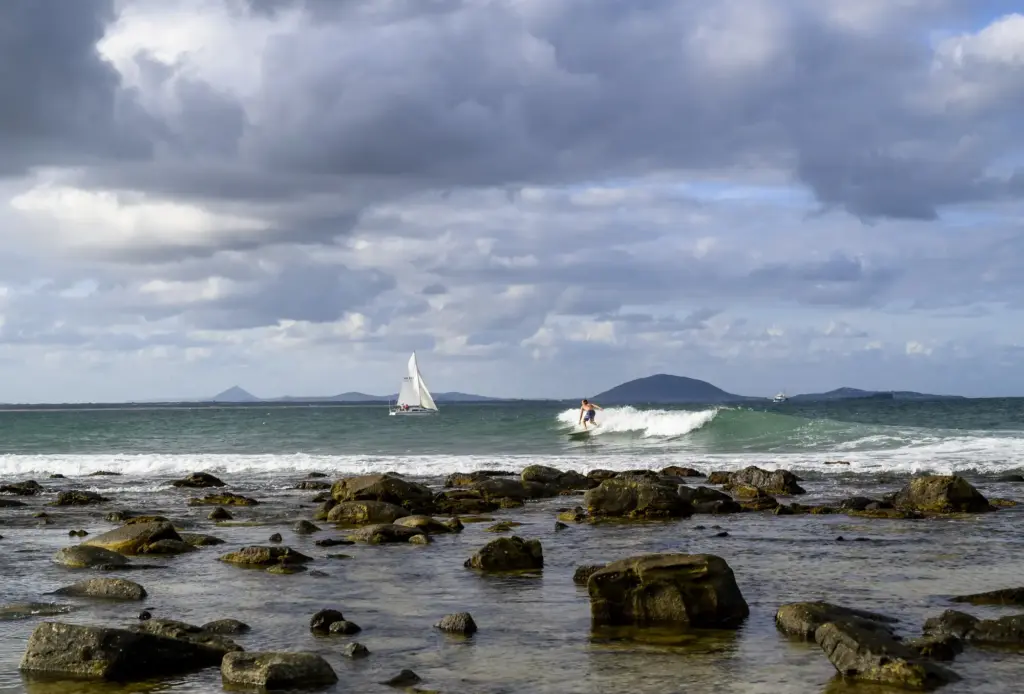
Beloved routes invite heavy traffic, yet coastal habitats bruise easily. Responsible choices turn curiosity into stewardship without dulling wonder. Stay on marked paths, yield to seasonal closures, and train your eyes to read subtle nesting signs. Pack out microtrash that tangles legs and bills, and swap plastic bottles for durable flasks. By modeling care, you safeguard tomorrow’s encounters for families tracing these same footprints at first light.
When Lights Meet Wings
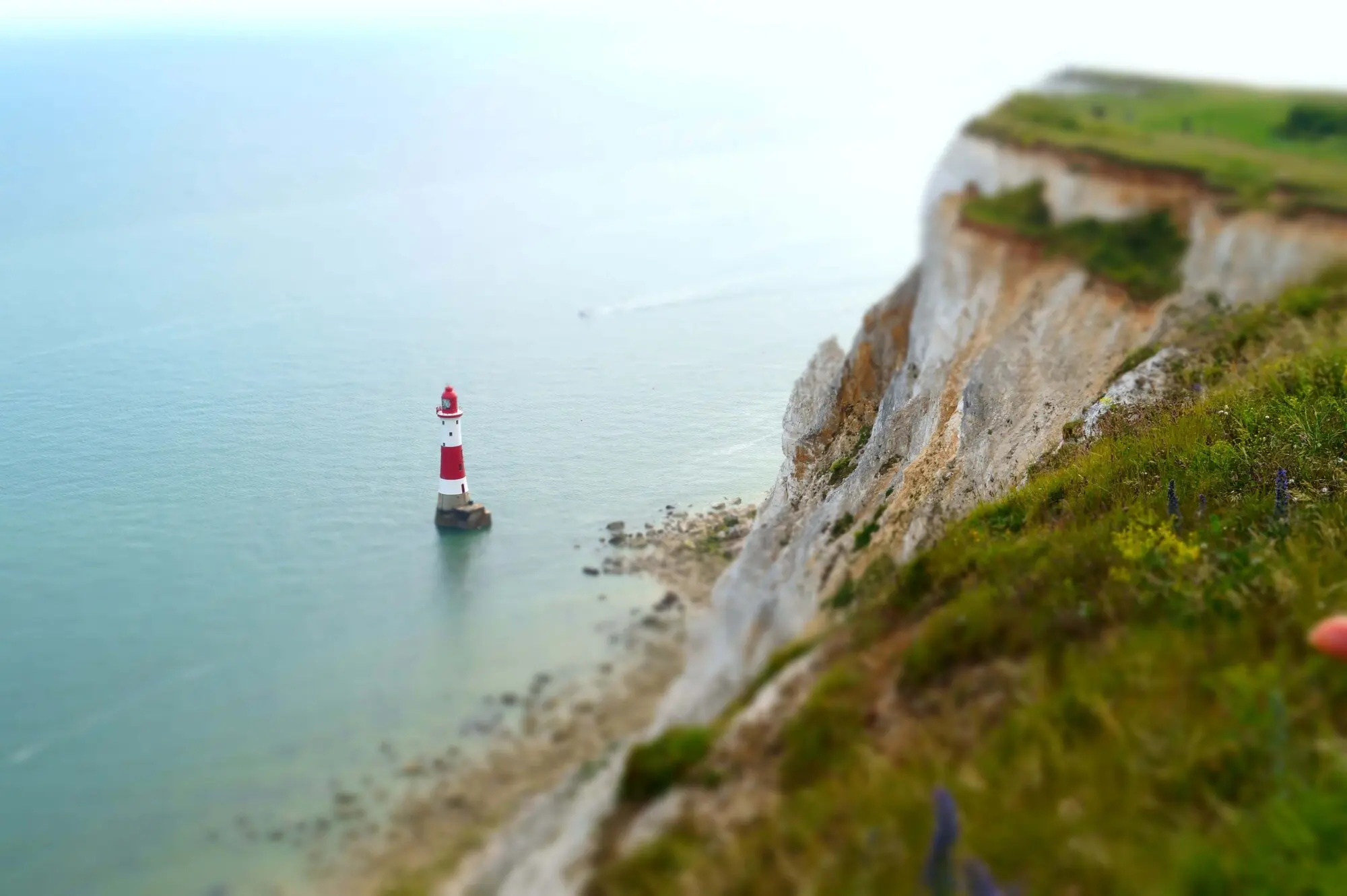
Nocturnal migrants can drift toward beams during low clouds or fog, burning fuel while circling. Innovations like focused optics, shielding, and warmer hues mitigate confusion. During peak migration, some stations dim or adjust schedules. Learn local practices and support improvements. By aligning safety needs with avian realities, coastal communities protect both mariners and travelers of the night sky sweeping silently above crashing surf.
Tales from Keepers and Coastal Families
Journals describe lantern cleanings at dawn, rescue launches in ice-laced spray, and winter nights counting petrels that thudded softly against glass. Oral histories pass down tide lore, storm signs, and favorite coves where seals pupped reliably. Listening to these memories connects modern walkers to generations who read the shore’s moods without phones, trusting patience, humility, and repeated observation more than hurried certainty.
Paths, Erosion, and Thoughtful Design
Good trails flow with landscape contours, avoiding shortcuts that funnel water and birth gullies. Boardwalks over dunes shield fragile roots; switchbacks temper steep grades; wayfinding keeps feet clustered where impact stays small. Celebrate signage that teaches geology and biology, transforming pauses into lessons. When communities invest in careful design, storms test routes and habitats alike, and both emerge with fewer scars and deeper resilience.
Fieldcraft for Coastal Wanderers
Preparation amplifies awe and reduces risk along exposed headlands and slipping tides. Pack layers for squalls and sun, carry optics that thrive in salt haze, and consult tide tables before cliff-to-cove traverses. Waterproof notebooks make quick sketches and behavioral notes possible. Share plans, monitor swell forecasts, and respect sudden fog. With mindful habits, every encounter becomes clearer, safer, and stitched into a personal atlas worth returning to.
Routes to Remember: Lighthouse-to-Lighthouse Walks Worth Your Boots
Some coastlines stitch beacons so perfectly that walking between them feels like reading chapters in a living novel. From granite shoulders to sandy crescents, these routes reward patience, planning, and respectful curiosity. Expect bird colonies clinging to corniced ledges, seals sunning on tidal ribs, and locals sharing lore that rescues you from wrong turns. Pack time to linger; the best insights arrive unhurried.
Share, Learn, Return: Building a Community of Coastal Care
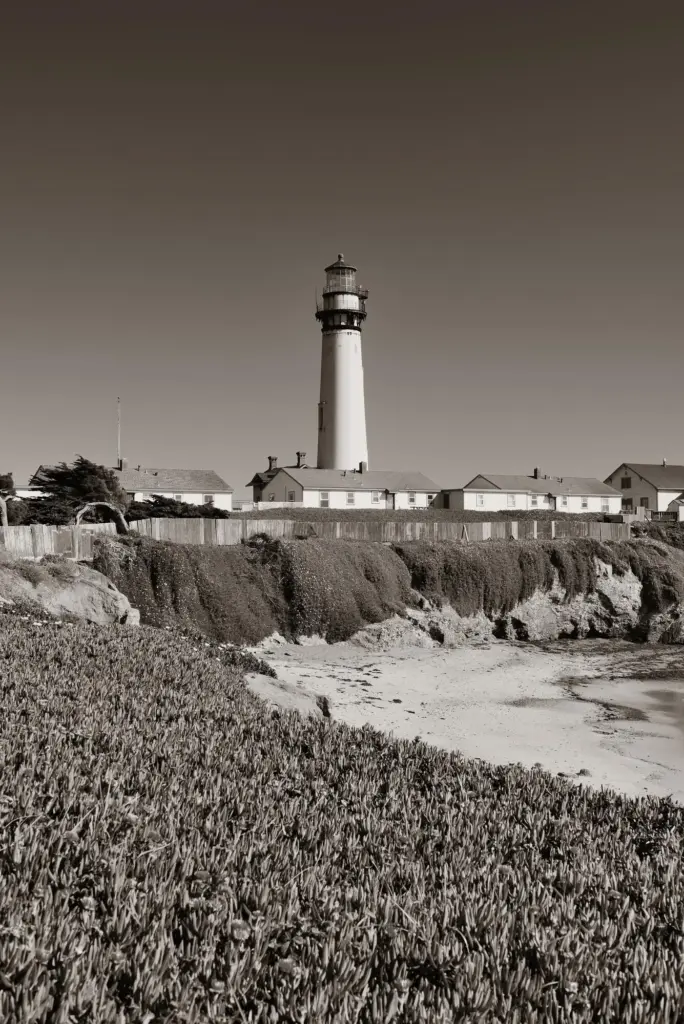
Journeys grow richer when stories circle back like tides. Trade identification puzzles, post respectful photos, and compare notes on seasonal arrivals. Subscribe for route updates, conservation news, and field challenges that nudge skills forward. Invite friends to adopt a favorite stretch, log cleanups, or join dawn counts. Together, we keep pathways open, species safer, and curiosity bright enough to guide steps between steadfast lights.
All Rights Reserved.