
Chasing First Light and Last Glow Along Lighthouse Coasts
Scouting the Coast Before Dawn and Dusk
Maps, Sun Trackers, and Local Clues
Timing Your Arrival
Midday Test Walks
Light, Weather, and Tide: Reading the Elements
Forecasting For Glow
Study satellite loops and skew-T diagrams if you can, or at least detailed cloud cover percentages by altitude. A thin cirrus veil often diffuses pastel gradients, while broken decks ignite brilliant edges. Note humidity; haze can soften blues yet deepen cinematic mood.
Timing the Tide
Low tide uncovers leading lines in ripples and seaweed, but mid-tide may deliver shimmering reflections that double the lighthouse elegantly. Track swell periods; longer intervals push surges deeper, timing your exposures between sets. Never forget escape routes when water climbs quickly.
Wind and Spray Management
Coastal wind steals warmth and shakes sensors. Shield the camera with your body, hang weight from the tripod, and wipe salt spray gently with clean microfiber. Lens hoods help, yet vigilance helps more; salt crystals bloom into flare faster than you expect.
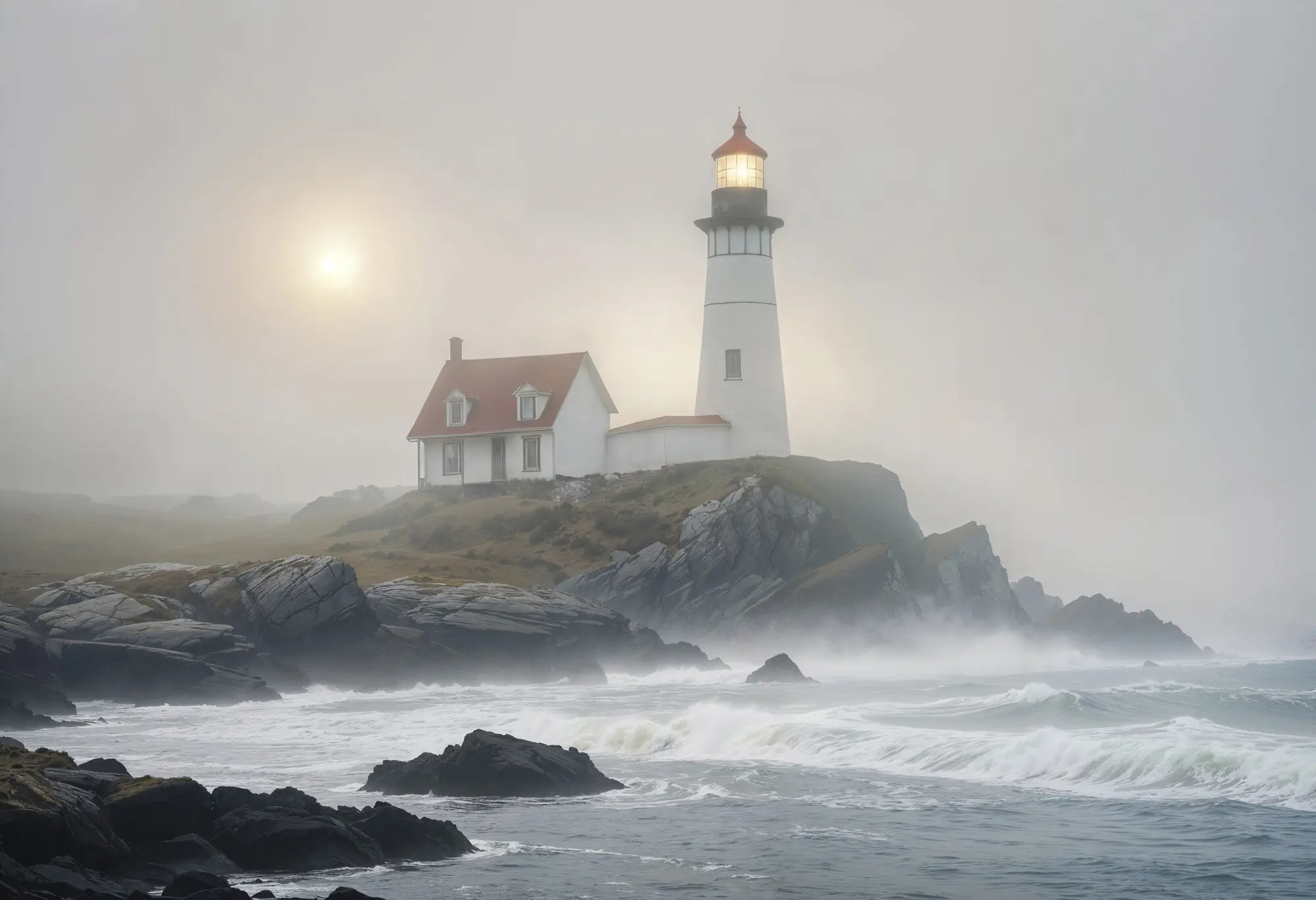
Leading Lines That Breathe
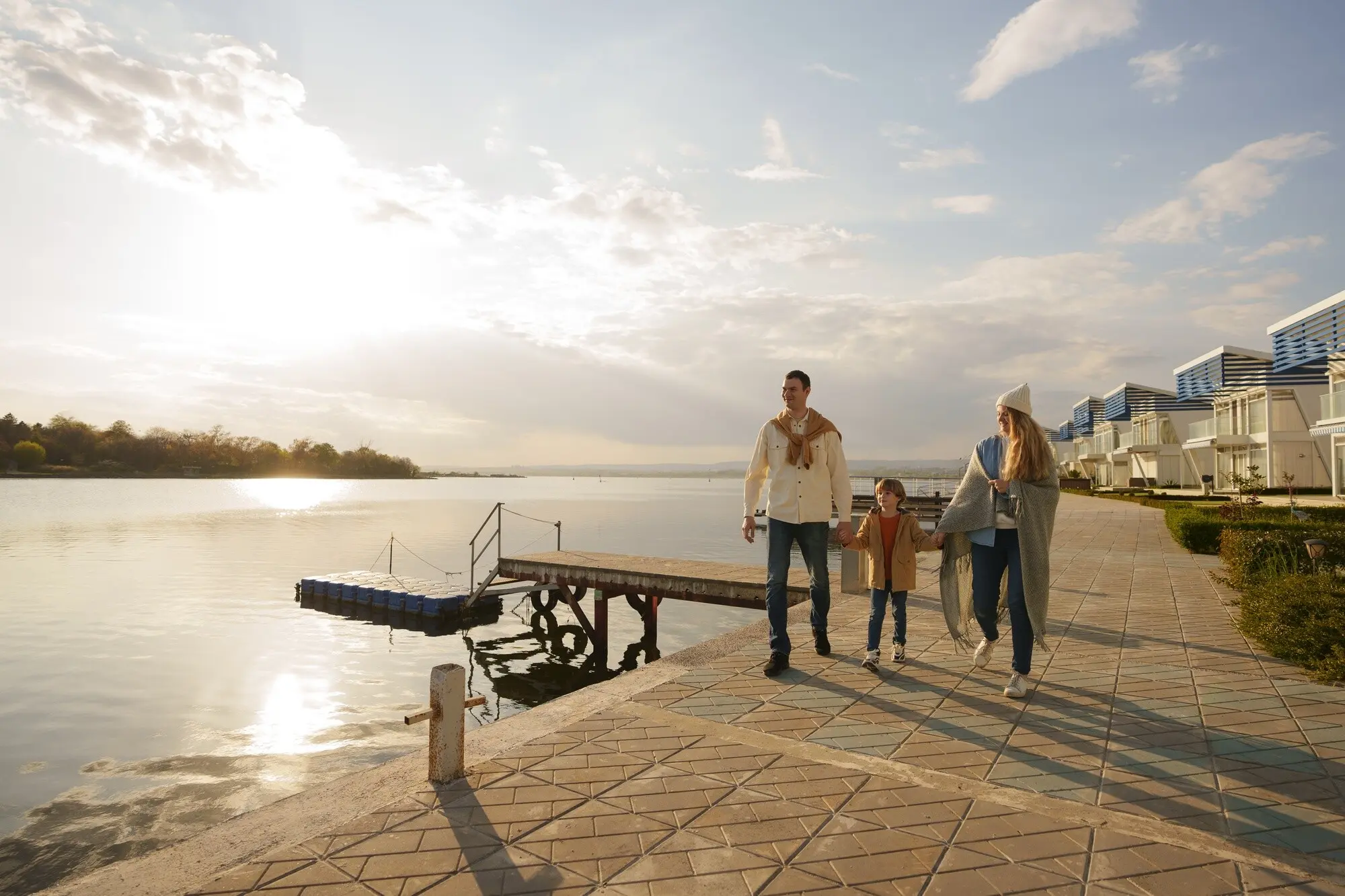
Sunstars and Silhouettes
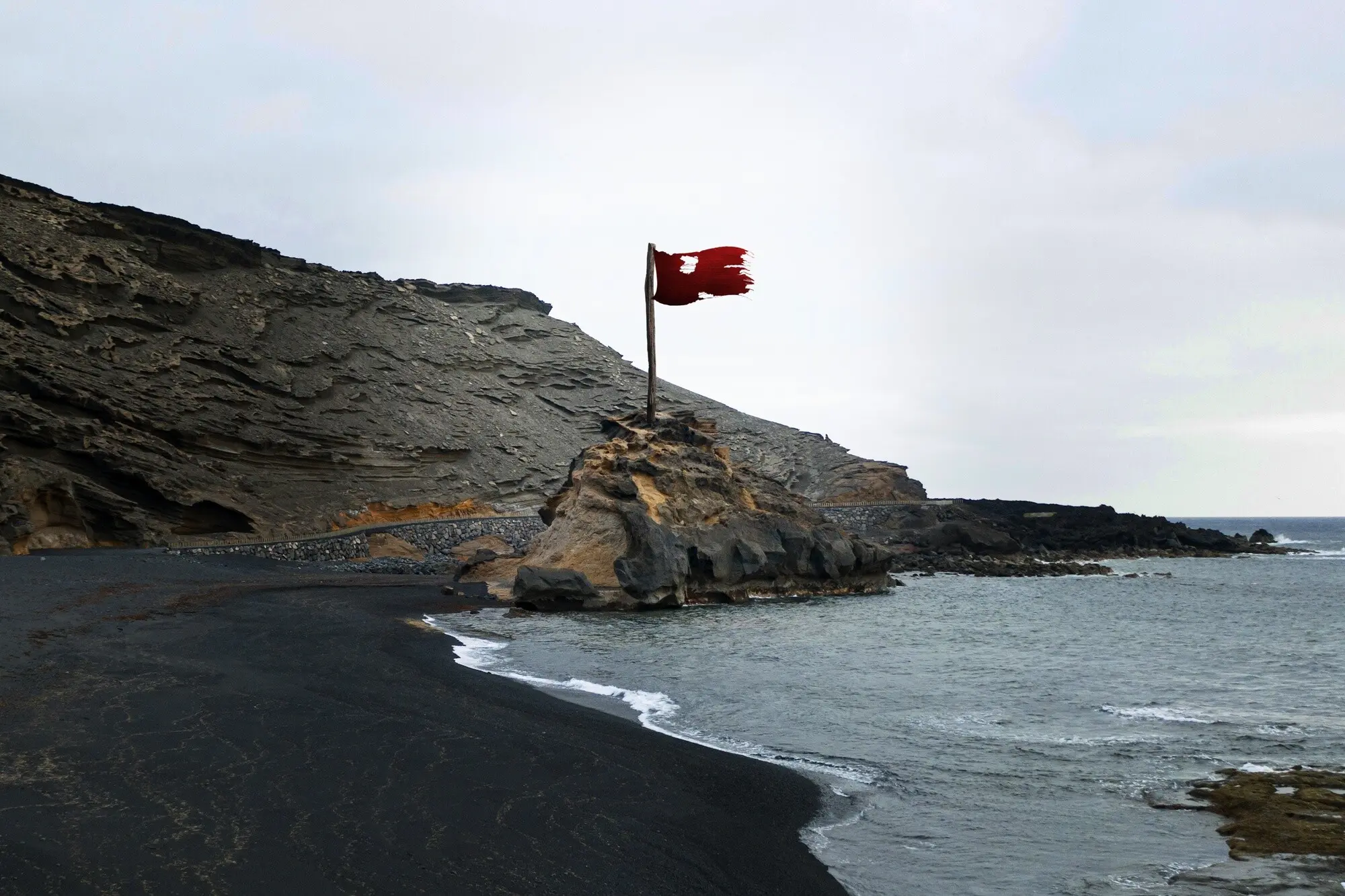
Foreground Stories
Safety, Access, and Respect for Fragile Shores
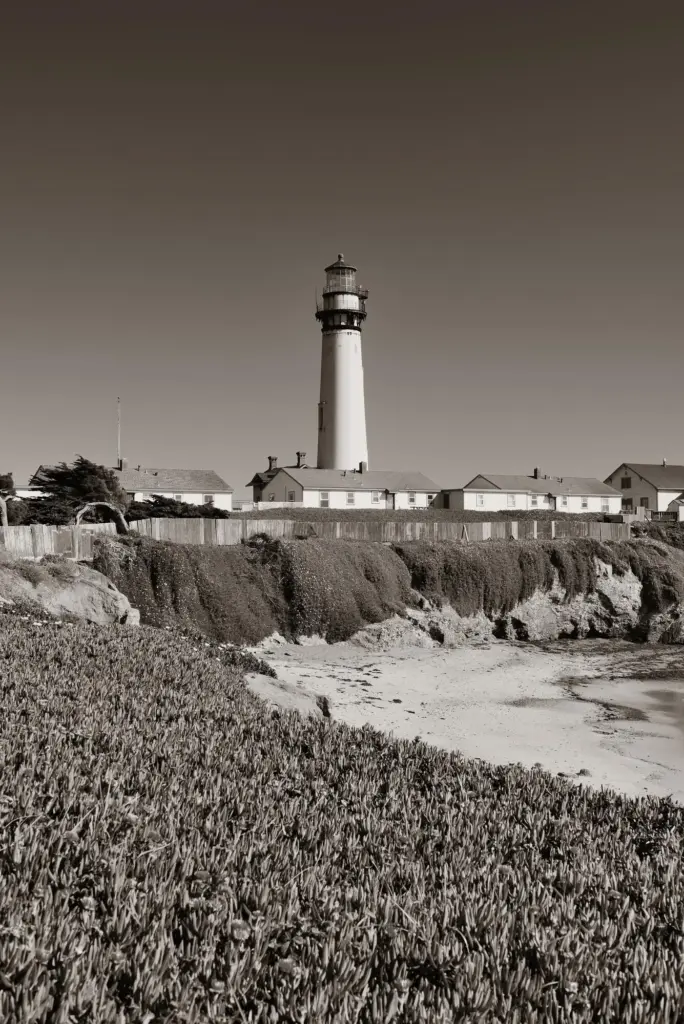
Gear That Survives Salt, Wind, and Low Light
Lenses and Filters
From 14mm drama to 200mm compression, choose glass that translates coastal scale without distortion fatigue. Circular polarizers tame glare on wet rock, while graduated filters manage horizon contrast. Keep filter threads clean; salt grains scratch coatings heartbreakingly fast during hurried wipes.
Tripods and Stability
Select a sturdy tripod with twist locks that rinse easily, plus spiked feet for sand and kelp. Hang a bag for ballast, press gently from above, and shoot bursts at critical moments. Stability transforms color into clarity, especially when wind rises suddenly.
Protection and Care
Salt wants everything. Keep gear in a roll-top liner, swap lenses under a jacket, and rinse tripod legs after every session. Carry fresh water and a toothbrush for clamps. These rituals prevent corrosion, keeping you making coastal images for many winters.
Storytelling With Color, Time, and Community
All Rights Reserved.